The world of Bluey is renowned for its uncanny ability to tackle complex human emotions with warmth, humor, and profound insight. While countless episodes capture the magic of childhood, few resonate quite as deeply or spark as much discussion among parents and children alike as "Camping." This Season One gem doesn't just chronicle a simple family getaway; it offers a poignant exploration of fleeting connections, the beauty of cross-cultural friendship, and the difficult but universal truth of saying goodbye.
This guide dives deep into Bluey's "Camping" episode, providing a thorough analysis that will empower you to discuss its rich themes with your family, appreciate its masterful storytelling, and perhaps even find a new perspective on those temporary but impactful relationships that shape our lives.
At a Glance: Bluey's "Camping" Episode Highlights
- Core Story: Bluey, on a camping trip, befriends Jean-Luc, a French-speaking boy, despite a language barrier.
- Key Activities: They bond over building a house, planting a seed, and hunting a "wild Daddy pig."
- Emotional Arc: Their deep connection leads to heartbreak when Jean-Luc unexpectedly leaves.
- Chilli's Wisdom: Bluey's mum offers solace, explaining that special people come and go, and memories should be cherished.
- The Big Reveal: A heartwarming time jump shows a teenage Bluey reunited with Jean-Luc under the tree they planted.
- Central Themes: Friendship, communication beyond words, loss, memory, growth, the impermanence of relationships.
- Parenting Lesson: How to help children process goodbyes and value temporary connections.
- Cultural Note: In the French version, Jean-Luc speaks English and is named Johnny.
The Unexpected Friendship: When Bluey Met Jean-Luc
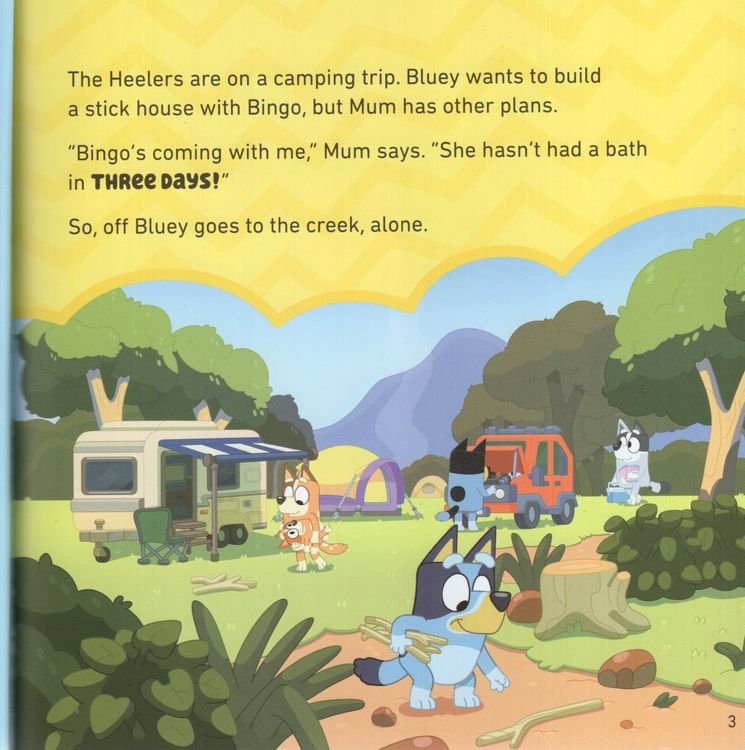
Imagine being on holiday, far from your usual routine, and stumbling upon an unexpected friend. That's precisely what happens to Bluey in "Camping." The episode opens with the Heeler family enjoying a bush camping trip, a classic Australian experience. Bluey and Bingo initially try to run a chaotic café, with Muffin, their cousin, causing playful havoc. But the main story takes flight when Bluey, venturing out to collect sticks for a forest house, encounters Jean-Luc, a young Labrador boy who speaks French.
At first, the language barrier seems insurmountable. Bluey speaks English, Jean-Luc speaks French, and neither understands the other. Yet, in one of Bluey's most brilliant demonstrations of "show, don't tell," their connection transcends words. A shared stick, a simple glance, and the universal language of play quickly bridge the gap. They don't need translations; their actions speak volumes. They embark on a series of shared adventures: building a rudimentary fort, collaborating on planting a small seed, and, most hilariously, "hunting" a wild Daddy pig (who, to their delight, turns out to be Bandit, Bluey's dad, with a bucket).
Over several days, their friendship blossoms. They spend every waking moment together, their bond deepening with each shared laugh, each triumphant chase of the "pig," and each moment tending to their tiny planted seed. It’s a pure, unadulterated friendship, built on mutual understanding and the joy of shared experience, proving that true connection often lies beneath the surface of spoken words. This portrayal is a beautiful lesson for children and adults alike, highlighting how empathy and shared intent can forge powerful bonds regardless of differences.
The Heartbreak of Goodbye: A Universal Childhood Experience
As their camping trip nears its end, Jean-Luc gives Bluey a sad look and murmurs, "Non, pas demain matin" (No, not tomorrow morning), indicating he's leaving. Bluey, not understanding the French, misses the crucial farewell. The next morning, the crushing reality hits: Jean-Luc's tent is gone. His family has packed up and left without a proper goodbye. Bluey, witnessing the tiny sprout of their planted seed, calls out for Jean-Luc, only to be met with an empty campsite.
This scene is a masterclass in portraying childhood grief. Bluey's joy over the sprouted seed quickly turns to confusion, then profound sadness as she realizes her new friend is truly gone. She walks to their nascent tree, a silent witness to their bond, and lets out a quiet, heartbroken sob. It's a raw, honest moment that many children (and adults) can instantly relate to. The pain of an unexpected goodbye, the feeling of not having closure, is a universal experience, and Bluey handles it with remarkable sensitivity.
This is where Chilli, Bluey's mum, steps in with one of her most memorable and insightful parenting moments. Later that night, as Bluey expresses her sorrow and wonders if she’ll ever see Jean-Luc again, Chilli offers profound wisdom. She explains that "special people will come into our lives, stay for a bit, and have to go." It’s a simple truth, delivered with gentle empathy, that acknowledges Bluey's pain while offering a framework for understanding life's transient nature. Chilli doesn't dismiss Bluey's feelings or offer false promises; instead, she validates the sadness but encourages cherishing the good times and memories made. This makes the "Camping" episode a vital resource for parents navigating similar discussions about loss and goodbyes with their own children.
Growing Together: The Symbolic Tree and Future Reunion
Perhaps the most iconic and emotionally resonant part of "Camping" is its conclusion: a breathtaking time jump. After Chilli's comforting words, the episode fast-forwards through many years, showing the little seed Bluey and Jean-Luc planted growing into a magnificent, mature "pink trumpet" tree. We then see a teenage Bluey sitting beneath its shade, reading a book.
Suddenly, a familiar figure approaches: a grown-up Jean-Luc. He recognizes the tree and, more importantly, recognizes Bluey. Their eyes meet, a silent acknowledgment of their shared past and the enduring bond that time and distance couldn't sever. The episode ends with their joyful reunion, a full-circle moment that brings tears to the eyes of countless viewers.
This time jump is powerful for several reasons:
- Symbolism of the Tree: The tree becomes a living testament to their friendship, a symbol of growth, endurance, and the memories planted in time. It represents the idea that even if people leave, the seeds of connection they plant can continue to flourish.
- Hope and Patience: It teaches children (and adults) about patience and the possibility of future reunions. It suggests that some connections are so strong they can withstand years apart.
- The Cycle of Life: It gently introduces the concept of time passing and things changing, yet also highlights the permanence of certain bonds and memories. It's a poignant affirmation that while some relationships are temporary, their impact can last a lifetime.
The reunion offers a sense of closure and hope, reassuring viewers that not all goodbyes are forever and that some special friendships truly do endure. This narrative device elevates "Camping" beyond a simple children's cartoon, cementing its place as a profound piece of storytelling.
The Deep Dive: Themes and Lessons from "Camping"
"Camping" is dense with profound themes, making it a rich subject for discussion and analysis.
Friendship Beyond Words: Communication and Empathy
The core of Bluey and Jean-Luc's initial bond is their ability to communicate without a shared spoken language. They rely on gestures, shared laughter, and the universal understanding of play. This highlights:
- Non-Verbal Communication: So much of human interaction is non-verbal. The episode beautifully illustrates how body language, facial expressions, and shared activities can convey understanding and affection more powerfully than words.
- Empathy and Connection: Despite their linguistic differences, they feel for each other. They share joy, frustration during the pig hunt, and comfort. This teaches children that true connection comes from empathy and a willingness to engage, not just from speaking the same dialect. It's a testament to the idea that common ground can always be found.
Navigating Goodbyes: Impermanence and Cherished Memories
One of the episode's most impactful lessons is about the impermanence of relationships and how to cope with goodbyes.
- The Reality of Transience: Life is full of people who enter and exit our lives. "Camping" normalizes this reality, rather than sugarcoating it. It acknowledges the pain of separation but frames it within a broader, magical world.
- Chilli's Parenting Masterclass: Chilli's advice ("special people will come into our lives, stay for a bit, and have to go") is a golden nugget for parents. It’s empathetic, honest, and empowering. She doesn't tell Bluey not to be sad; she teaches her how to process the sadness and shift focus to gratitude for the experience. This approach provides a healthy model for children to understand that while goodbyes are tough, the memories remain.
- The Power of Memory: The episode underscores that even if a friendship is brief, the memories made are permanent and valuable. The tree itself becomes a physical memory, symbolizing the lasting impact of their bond.
Growth and Time: The Unfolding Journey
The time jump isn't just a plot device; it's a thematic anchor.
- Personal Growth: Both Bluey and Jean-Luc grow and mature, but their core connection remains. It subtly shows that life continues, people change, but certain bonds can withstand the test of time.
- Nature's Rhythm: The growth of the tree parallels the growth of the children and their relationship. Nature's slow, steady progress provides a comforting backdrop to the human experience of change and reunion. It’s a powerful metaphor for the enduring nature of friendship.
Practical Insights for Parents and Kids
"Camping" offers numerous talking points and practical takeaways for families.
For Parents: Guiding Through Goodbyes
- Acknowledge Feelings: When your child experiences a goodbye, big or small, acknowledge their sadness, frustration, or confusion. Don't dismiss their feelings. "It's okay to be sad when friends leave."
- Validate the Experience: Like Chilli, emphasize the positive impact the person had. "Even though they're gone now, isn't it wonderful that you got to spend that time together?"
- Focus on Memories: Encourage remembering the good times. Look at photos, draw pictures, or tell stories about the friend. The planted seed in the episode is a great analogy for creating lasting memories.
- Discuss Impermanence: Gently introduce the idea that some people stay, and some move on. Frame it as a natural part of life, rather than a punishment.
- Hope for the Future: While not all reunions happen like Bluey's, you can still foster hope. "Maybe you'll see them again someday, or maybe you'll make new wonderful friends."
For Kids: Understanding Friendships
- You Don't Need Words: Bluey and Jean-Luc show that you can make friends and have fun even if you don't speak the same language. Play, smiles, and helping each other are universal.
- Goodbyes Can Be Sad: It's normal to feel sad when someone you care about leaves. Even grown-ups feel sad too.
- Memories Last Forever: Even if a friend moves away, you'll always have the fun memories you made together. Those memories are like the tree Bluey and Jean-Luc planted.
- New Friends Are Possible: Just like Bluey eventually met Jean-Luc, there are always new people to meet and new friendships to make.
Behind the Scenes and Trivia
- The "Pink Trumpet" Tree: The stunning tree seen growing at the end of the episode is identified as a 'pink trumpet' tree, a beautiful detail that adds a touch of real-world magic to the story.
- Cultural Adaptation: In the French dubbed version of "Camping," Jean-Luc speaks English, and his name is changed to Johnny. This clever adaptation preserves the core theme of overcoming a language barrier, simply flipping which language is foreign to the viewer. This detail underscores Bluey's commitment to making its stories universally relatable, even across different language markets.
- Critical Acclaim: "Camping" is often cited by fans and critics as one of the show's most emotionally impactful episodes, frequently appearing on "best of" lists for its mature themes and masterful execution.
This particular episode stands out even among Bluey's consistently high quality. It’s a powerful testament to the show's ability to tackle profound human experiences with grace and relatability. If you're looking for more ways to explore the Heeler family's adventures and their life lessons, you might find our Bluey Camp Hub a great resource for further reading and discovery.
Why "Camping" Resonates So Deeply
The enduring appeal of "Camping" lies in its raw honesty and universal themes. It captures the fleeting joy of a holiday friendship, the sting of unexpected separation, and the profound wisdom of accepting life's changes while cherishing every moment. It's a story that appeals to children because it mirrors their own experiences of new friendships and difficult goodbyes. For adults, it serves as a powerful reminder of our own past connections, the wisdom our parents imparted (or that we wish they had), and the comforting thought that some bonds truly do stand the test of time.
This episode doesn't shy away from sadness but frames it within a narrative of hope and growth. It's a gentle yet potent lesson that while people may come and go, the impact they have on us, and the memories we create, can form the bedrock of who we become, much like a tiny seed growing into a towering, beautiful tree. It's a celebration of human connection in all its forms, temporary or enduring, and a beautiful illustration of how Bluey consistently finds the extraordinary in the everyday.